
Event catering checklist: tips for a successful corporate event
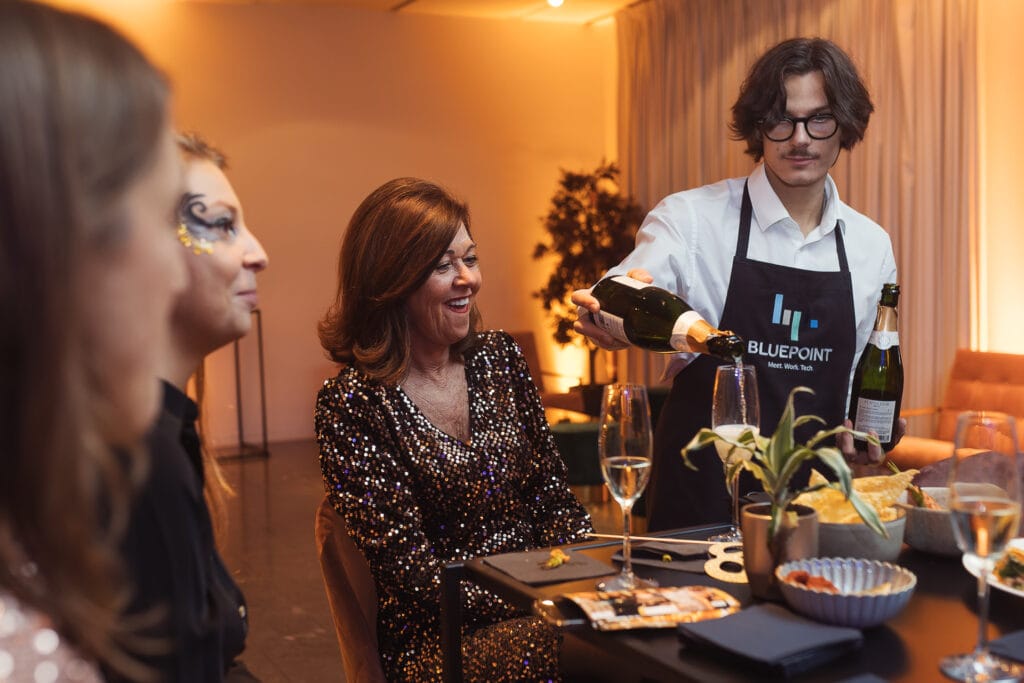
Organising a successful corporate event, gala dinner or VIP event stands or falls on the right culinary offering. After all, when guests come together for an important business occasion, they expect much more than a standard buffet. You want to make an impression, maximise networking opportunities and keep your participants’ energy levels high throughout the day. With the right catering package, you can effortlessly enhance the programme and the overall experience of your event. This comprehensive checklist will help you make strategic choices that will delight both the taste buds and your guests.
From breakfast sessions to galas: the perfect match for your event format
An interactive brainstorming session calls for a very different culinary approach to a prestigious awards night. What is the primary role of food at your event? At an early breakfast session, you’ll want to give participants a quick, refreshing boost. During an intensive workshop, a light, energy-packed lunch keeps everyone focused for the afternoon. Do you want to encourage networking? Then opt for dynamic food stations or a standing reception where people can easily switch conversation partners. At an exclusive VIP event or gala dinner, you can go all out for sophistication. Here, it’s all about elegant plate presentation, perfectly timed service and carefully selected wines that underline the premium feel of the evening.
Know Your Guests: Cater to their tastes and expectations
A rock-solid menu always starts with your target audience. Who’ll be joining you at the table? An audience of international partners responds brilliantly to a menu with a local, surprising twist. Internal colleagues, on the other hand, often appreciate high-quality comfort food presented in a contemporary way. Always look beyond just the number of guests. Do they have plenty of time to dine, or are they craving a quick, high-quality bite between two engaging keynote speeches? Seamlessly tailor your culinary pace to the rhythm of the day.
The new standard: inclusive enjoyment without choice overload
Dietary requirements are no longer the exception; they are the norm. Guests who follow vegetarian, vegan, gluten-free or halal diets want to feel that their plates have been prepared with just as much care. Don’t fall into the trap of devising ten completely different menus. The smartest approach? Create a stunning signature dish that’s naturally plant-based or allergy-friendly, and offer meat or fish as an optional extra. Ensure crystal-clear labelling on your buffets. Only when every guest can sit down to eat without a second thought and with the same ease will you truly excel in hospitality.
Savour the moment: the irresistible power of seasonal flavours
Strawberries in winter? That does feel a bit like a false note. Seasonal cooking isn’t just far more sustainable; it also delivers much richer flavours. A fresh spring event calls for light, green accents, whilst an autumn gathering pairs perfectly with warm, earthy herbs and comfort. An invigorating mocktail with fresh summer fruits or a savoury autumn bite at the reception immediately sets the right tone. It shows that your menu hasn’t just been plucked from a dusty brochure, but has been put together with care and passion.
Keep Things Moving: Avoid queues with smart event layout
Nothing drains the energy from your event faster than a long queue at the buffet. The way you physically set up the catering largely determines the dynamics of the space. A classic buffet offers plenty of choice, but for large groups it requires multiple, strategically placed serving points. Want to encourage movement around the venue? Then scatter interactive food stations throughout the space. For short, impactful breaks, a ‘grab-and-go’ concept is unbeatable. To run such concepts smoothly, you need flexible spaces. Discover how an all-in-one event venue for your gala dinner in Antwerp guarantees the perfect flow, so that no one has to spend their precious networking time queuing.
Green on the plate: bring your sustainability food ambitions to life
Sustainability really doesn’t have to be a complicated or preachy concept. You can make it very tangible by choosing local suppliers and embracing the principles of plant-forward cooking. Give vegetables, pulses and unexpected herbs the starring role. Serve realistic portion sizes to drastically reduce food waste. By planning smart refills rather than presenting mountains of food all at once, you keep everything fresh and demonstrate that professional organisation goes hand in hand with mindful organisation.
Did you know? According to the UN Environment Programme, the foodservice sector is responsible for 28 per cent of global food waste at the consumer and retail levels. Accurately estimating the number of guests and portion sizes is therefore not only good for your budget, but also for the sustainability of your event.
A flavourful experience: use trends as the ultimate icebreaker
A live cooking station where a chef prepares refined canapés on the spot? That’s not just food; it’s entertainment in its own right. Culinary trends are brilliant tools for creating a more relaxed atmosphere. Think of tasting sessions featuring unfamiliar flavours or international street food with a premium twist. People love personalisation and freedom of choice. As soon as your guests can add their own finishing touch to their dish or drink, you immediately boost engagement and break the ice for new networking conversations.
More than just sparkling water: surprise your guests with thoughtfully curated drinks
The drinks menu plays a major role in shaping the overall experience. Fortunately, the options for guests who don’t drink alcohol go far beyond the usual selection of sugary soft drinks. Treat your visitors to a complex kombucha, homemade iced tea with fresh herbs or a balanced botanical mocktail. Also, tailor your drinks menu perfectly to the time of day. A morning kick-start calls for premium coffee and ginger shots. At lunch, keep it light and refreshing, whilst during the closing networking session you can go that extra bit more festive.
Clear arrangements: communicate proactively with both guests and the caterer
The perfect catering experience begins weeks before the first guest arrives. Collect dietary requirements in good time via your registration form and provide your caterer with a detailed schedule setting out exact timings and numbers. On the day itself, leave nothing to chance. Sleek, beautifully designed menus and clear allergen labels put guests at ease. After all, your guests want to focus on the substance of your event and have engaging conversations; they don’t want to be guessing what exactly is on their plate.
The 14 allergens for which allergen information must be provided by law in the EU:
- Cereals containing gluten: wheat, rye, barley and oats
- Crustaceans
- Eggs
- Fish
- Peanuts
- Soya
- Milk, including lactose
- Nuts: almonds, hazelnuts, walnuts, cashew nuts, pecans, Brazil nuts, pistachios and macadamia nuts
- Celery
- Mustard
- Sesame seeds
- Sulphur dioxide and sulphites, where the content exceeds 10 mg/kg or 10 mg/l
- Lupin
- Molluscs, such as mussels, oysters, squid and snails. (food.ec.europa.eu)
Practical tip: when registering, do not just ask about “dietary preferences”, but make a clear distinction between allergies, intolerances and other dietary requirements. Pass this information on clearly to your catering partner and, in the case of allergies, also take into account the possibility of cross-contamination. Information on allergens present must also be available for non-pre-packaged food, such as catering dishes.
Your menu as a calling card: translate your brand identity onto the plate
What does the meal say about your organisation? Opting for artisanal, local produce conveys social awareness. A meticulously presented plate demonstrates that you have an eye for the smallest details. This carries particular weight at gala dinners and official award ceremonies. The catering then enhances the grandeur of the evening. It can be elegant without feeling stuffy. Ensure that the speeches, the award presentations and the table service flow together rhythmically and seamlessly.
Host a Flavourful Event at BluePoint Antwerpen
A flawless meal is only truly successful when the setting, timing and service are perfectly in sync. At BluePoint Antwerp, you’ll find a reliable setting where an efficient brainstorming session flows just as seamlessly as a grand gala dinner. With 25 modular rooms, state-of-the-art technology and a green setting close to Berchem Station, all the pieces come together effortlessly.
Work with a team that seamlessly tailors the catering by White Signature to the rhythm of your event. Discover the full range of services and facilities available to give your guests an unforgettable and flavourful experience from start to finish.
Discover what BluePoint Antwerpen can offer and lay the foundations for a culinary event that will leave a lasting impression.
Blijf op de hoogte