
From the First Briefing to Event Day: How Professional Event Support Makes the Difference
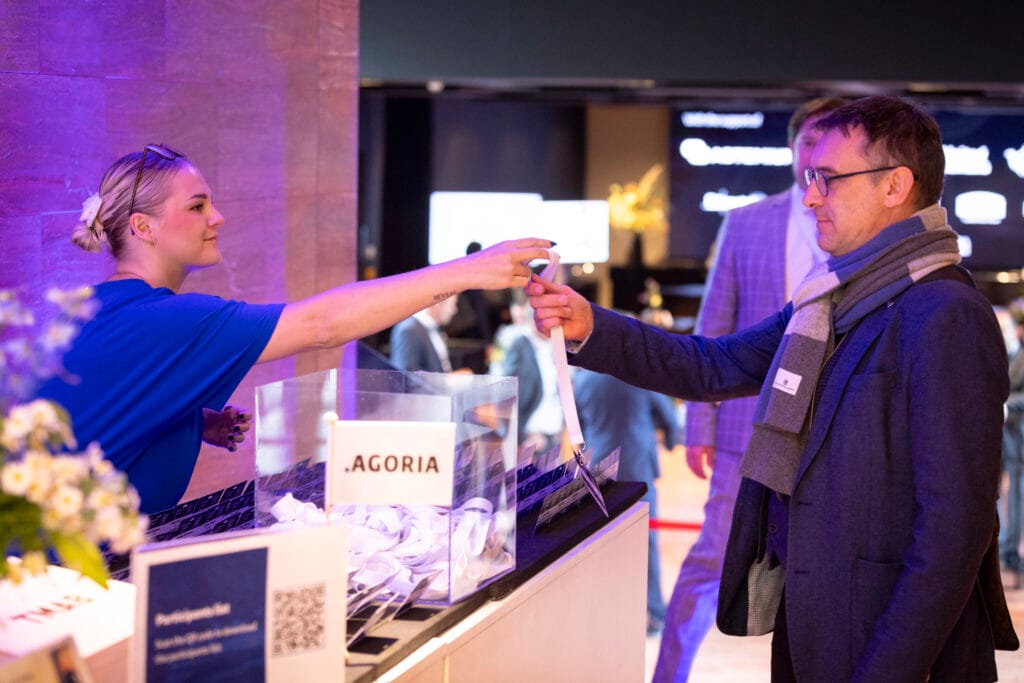
Organising a corporate event starts with an ambition, but the real challenge lies in making it happen. From the initial briefing until the last guest leaves, dozens of decisions and practical details need to come together seamlessly. Who keeps the schedule on track, coordinates suppliers and steps in when things don’t go according to plan? Professional event support brings structure to this complexity. This allows you to focus on the content, your guests and the results you want your event to achieve.
A successful event briefing starts with the right questions
A date, a guest list and an idea for the venue. That’s enough to start an initial conversation about your corporate event. But it doesn’t mean the foundations are in place.
The most important question often comes next: what exactly should this event achieve?
Do you want to bring employees closer together, convince clients, introduce a new product or share knowledge? Every objective calls for a different approach.
A staff party, for example, focuses on connection and informal encounters. A board meeting places greater emphasis on discretion, efficiency and reliable technical infrastructure. A product launch needs to generate curiosity and communicate the brand message with impact.
A professional event partner helps translate those expectations into clear decisions.
At least five elements should be clarified during the initial briefing:
- The objective: what result do you want to achieve?
- The audience: who are you inviting, and what do they expect?
- The event format: which activities will support your objectives?
- The budget: how much can you allocate to the venue, catering, technology and overall experience?
- Responsibilities: who makes decisions, who provides advice and who gives final approval?
That last point is often underestimated. When several departments are involved, conflicting expectations can slow down preparations.
Agree from the outset who has the final say and which decisions still require approval.
Practical tip: conclude the initial briefing with a document of no more than two pages. Summarise the objectives, priorities, budget limits and outstanding decisions. Everyone will then be working from the same starting point.
A good briefing doesn’t just save time later. It also prevents your event from becoming increasingly complicated and expensive as preparations progress.
Choosing the right venue: start with your programme
An attractive event space makes a great impression during a venue visit. But a successful corporate event requires more than beautiful interiors.
The space needs to accommodate what your participants will actually be doing.
A conference with plenary presentations and breakout sessions, for example, has different requirements from a walking dinner or interactive workshop. Consider the distance between rooms, reception facilities, accessibility and how easily participants can move between activities.
According to the Global Planner Sourcing Report, discussed by Cvent, 25% of surveyed event planners identify researching venue specifications as the most challenging part of the selection process.
This highlights the importance of having clear information about room capacities, facilities and practical possibilities.
Evaluate a potential venue from three perspectives.
The guest: how smooth is the arrival process? Is the signage clear? Are break areas easily accessible?
The speaker: does the room offer good sightlines, reliable audiovisual equipment and suitable lighting?
The organiser: how many suppliers will you need to coordinate yourself? Is there one main point of contact? Which facilities are already included in the quotation?
Ideally, arrange a venue visit during which you walk through the entire guest journey, from the car park or entrance to the registration desk, main event space and catering area.
This helps identify practical bottlenecks before they become problems on the day.
Looking for a venue where you can combine different event formats and room layouts? Explore the flexible event spaces at BluePoint Antwerp and discover which configuration best suits your programme.
From quotation to event schedule: bring everything together
Once the venue has been selected, the next phase begins: bringing all the different elements together into one workable plan.
The event running order becomes your central reference.
This document contains much more than a list of speakers and times. It describes what needs to happen at each stage, who is responsible and which preparations are required.
For a conference, for example, the running order might specify when the technical crew tests a presentation, when the moderator receives instructions and when the catering team needs to be ready.
A practical event running order should include at least:
- The schedule for setup, registration, programme activities and dismantling.
- Contact details and responsibilities for each component.
- The technical requirements of speakers and presentations.
- Arrangements with catering teams and external suppliers.
- Key moments when decisions or approvals are required.
- Alternative solutions for potential delays or technical problems.
Work with one central version of the running order. Avoid circulating separate documents that different departments update independently. This can easily lead to conflicting instructions.
Also establish a deadline for changes.
A new presentation submitted the evening before the event might seem like a minor adjustment, but it can affect technical preparations, timing and production.
A well-prepared running order creates exactly the flexibility you need without losing control of the overall event.
Coordinating suppliers without endless email chains
Caterers, technicians, photographers, decorators and reception staff: larger corporate events often involve several different suppliers.
Each has their own schedules, contacts and practical requirements.
When all communication goes through the internal organiser, delays and misunderstandings can easily arise.
A central event coordinator brings everyone together and establishes clear agreements.
It starts with practical details. When can suppliers deliver their equipment? Which spaces can they access? Who checks the technical connections? Have allergies and dietary requirements been communicated correctly?
But the real added value lies in managing the dependencies between different activities.
If stage installation takes longer than expected, lighting and sound checks may be delayed. A change in participant numbers can affect catering and potentially the room layout.
Professional event support takes this domino effect into account.
It helps to appoint one person responsible for each important element, even when several suppliers are involved.
It’s equally useful to distinguish between decisions that must be finalised in advance and arrangements that can remain flexible on event day.
The fewer discussions that need to take place during the event, the more attention can be devoted to participants.
Technical preparation: test what your guests will experience
A microphone cutting out during a keynote or a video failing to start can immediately distract the audience from the content.
That’s why audiovisual support should be considered early in the planning process.
Discuss how many microphones will be required, which presentations will be used and whether livestreaming, recordings or remote speakers are planned.
Check the room layout too. A screen that’s perfectly visible from the front row won’t necessarily offer the same readability at the back.
Technical rehearsals should therefore be as realistic as possible.
Ask speakers to test their presentations, check audio quality from different positions and rehearse important transitions at least once.
This is particularly relevant as attendees continue to expect more from event technology.
According to Bizzabo’s State of Events research, 73% of surveyed attendees expect modern technology at in-person conferences, compared with 63% in an earlier survey.
Technical support therefore involves much more than setting up equipment. It helps create a professional, reliable and enjoyable experience.
Want to find out which technical facilities and support services are available for your event? Explore BluePoint Antwerp’s services and facilities and discuss the possibilities with the event team.
The final week: turning preparation into operational confidence
The last few days before an event are often particularly demanding.
Final attendance numbers need to be confirmed, presentations are submitted and suppliers still have practical questions.
It’s tempting to keep accepting small adjustments. Yet this is precisely when clear agreements make the biggest difference.
Organise a final coordination meeting with all key stakeholders.
Check the definitive room layout, catering numbers, technical schedule and contact details for event day.
Above all, establish which changes are still possible and who is authorised to approve them.
A useful guideline is to circulate one final version of the running order 24 to 48 hours before the event, unless the complexity of the production requires an earlier deadline.
This ensures everyone knows exactly what to prepare for.
Allow a little breathing room between important programme elements too. A keynote running a few minutes late shouldn’t automatically disrupt the entire day’s schedule.
Bizzabo’s research also reveals that 75% of surveyed attendees consider immersive event experiences important. A well-paced programme, meaningful interaction and opportunities for spontaneous encounters can therefore be just as valuable as a tightly packed agenda.
Don’t fill every available minute. A well-organised event also needs room to breathe.
On event day: who oversees the entire experience?
When the first guests arrive, the role of the event organisation changes.
The preparation phase gives way to operational coordination.
While participants register, speakers prepare and the catering team carries out its final checks, someone needs to maintain an overview of everything happening.
That’s one of the event coordinator’s most important responsibilities.
They make sure the programme stays on schedule, maintain contact with the technical crew and resolve practical questions before they affect the guest experience.
Suppose registration takes longer than expected. The start of the programme may need to be adjusted.
Or perhaps a speaker wants to change their presentation at the last minute. The event coordinator assesses what’s feasible with the technician and determines the consequences for the schedule.
This requires quick decisions and clear communication.
For the internal organiser, professional support offers a particularly valuable benefit: the freedom to participate fully in the event.
Instead of constantly answering operational questions, you can welcome clients, speak with colleagues and maintain important business relationships.
That’s precisely where the value of event-day coordination lies. The practical organisation remains under control, allowing you to focus on the people the event was designed for.
When is professional event support worth the investment?
Not every corporate event requires the same level of assistance.
A straightforward internal meeting can often be organised with limited support. As the programme becomes more complex, however, operational risks increase.
Think of events involving several speakers, multiple rooms, external suppliers, hybrid participants or extensive catering arrangements.
The number of internal stakeholders also plays a role.
When marketing, HR, management and external partners all need to make decisions, central coordination becomes increasingly valuable.
Ask yourself a few targeted questions:
- Do we have enough internal time to monitor suppliers and deadlines?
- Do we have the expertise to assess technical and logistical risks?
- Is it clear who will make decisions on event day?
- Can we participate in the event ourselves without constantly managing operational matters?
If you’re unsure about several of these questions, professional support is probably a sensible investment.
That doesn’t necessarily mean outsourcing the entire event. Sometimes targeted assistance with preparation, the running order or event-day operations is sufficient.
The best solution is the level of support that matches the complexity of your event and the capacity of your internal team.
A successful event starts with organisation, not improvisation
A well-organised corporate event feels effortless to guests.
Registration runs smoothly, speakers are ready at the right moment and every part of the programme flows naturally into the next. Participants never need to think about the logistics.
That result doesn’t happen by accident.
It requires a focused briefing, clear responsibilities, a realistic running order and experienced people who know when to act behind the scenes.
At BluePoint Antwerp, event spaces, technical support, catering and personalised assistance come together in one integrated approach. This allows the different elements to be coordinated directly.
The result for you as an organiser? Less fragmented communication and more time to concentrate on what your event is meant to achieve.
Want to organise your next corporate event with one dedicated point of contact and professional support from the initial briefing right through to event day? Discuss your plans with the BluePoint Antwerp team and discover which services will help make your event a success.